Uncover the Realm of Fair Trade Tea: Excellent Brews That Encourage Sustainable Practices
Fair Trade tea forms a seamless integration of superior standards and ethics. Each cup presents a distinctive taste profile while furthering sustainable farming practices. This tactic not only enriches the tea experience but also empowers marginalized farmers. Exploring its origins and certification processes exposes profound significance of value. As patrons become more conscious of their choices, the impact of Fair Trade tea transcends palate. What resides under the veneer of these choices?
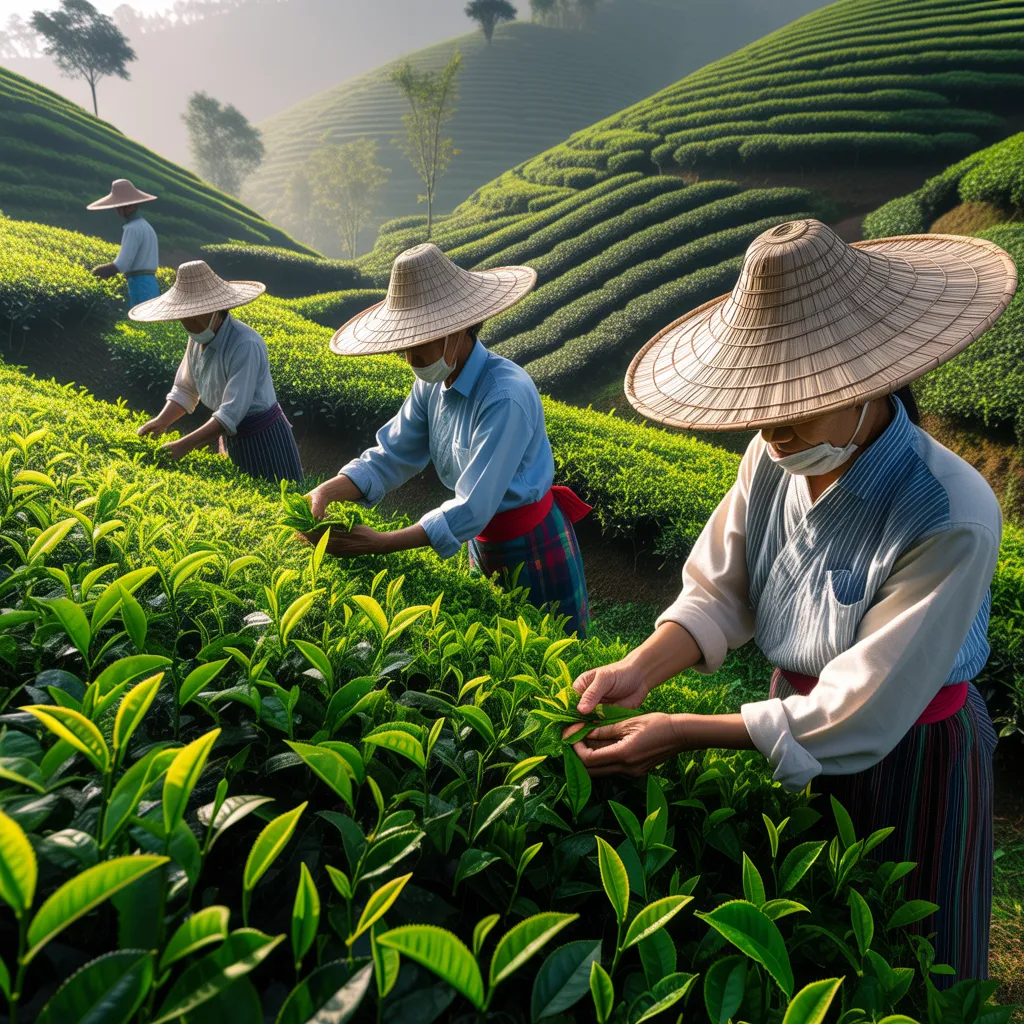
Uncover the Origins of Fair Trade Tea
Fair Trade tea traces back to the social and economic initiatives aimed at improve the living conditions of disadvantaged farmers. Beginning in the late 20th century, this program sought to tackle inequities in global trade, especially in emerging markets where tea is often grown. The initiative gained momentum as shoppers became increasingly conscious of the difficult conditions experienced by independent growers, such as unfair pricing and exploitation by large corporations.
Through collaborative frameworks, Fair Trade intended to empower these farmers, ensuring they received fair compensation and support for sustainable farming practices. The movement also focused on advancing environmental responsibility, encouraging organic farming and biodiversity. As knowledge grew, Fair Trade tea functioned as a representation of responsible purchasing, linking consumers directly with the origins of their beverages. By choosing Fair Trade tea, individuals add to a larger vision of social justice and economic equity, building a more sustainable future for tea-growing communities.
Comprehend ethical commerce for green practices
Understanding Fair Trade certification is vital to identifying how sustainable practices are maintained within the tea industry. This certification confirms that producers receive fair wages and work under safe conditions, which directly advances community development. Fair Trade standards advance environmentally sustainable farming methods, reducing the use of harmful chemicals and encouraging biodiversity.
Certification also fosters transparency in the distribution network, enabling consumers to track their tea back to its source. By adhering to these standards, farms undertake methods that protect natural resources and sustain local ecosystems. Additionally, Fair Trade organizations often offer learning materials and training to agricultural producers, enabling them to improve their production methods and financial security.
Ultimately, Fair Trade certification not only boosts tea's excellence but also corresponds with consumer decisions to principled and responsible values, making it a key element of the tea sector's commitment to social accountability and environmental care.
Explore Top Types of Fair Trade Tea
While many tea enthusiasts appreciate the robust taste and aroma of various brews, exploring the top categories of Fair Trade tea uncovers a more earnest devotion to ethical sourcing and sustainability. Some popular options present Fair Trade Assam, characterized by its bold, malty taste, and Fair Trade Darjeeling, often called as the "Champagne of teas" for its delicate floral notes. Another notable variety is Fair Trade Earl Grey, enhanced with bergamot, offering a unique citrus twist.
Moreover, Fair Trade Green Tea, celebrated for its energizing qualities and health benefits, is increasingly sought after among health-conscious consumers. Herbal blends, such as Fair Trade Chamomile and Peppermint, also distinguish themselves, supplying soothing and calming effects. Each of these varieties not only delivers exceptional flavor but also assists farmers and communities working for better livelihoods, making them a responsible choice for tea lovers seeking quality and ethical assurance.
Brewing Fair Trade Tea: Recommendations for a Exceptional Cup
To prepare the ultimate cup of Fair Trade tea, precision is crucial, as the best practices can boost the tea's individual notes and smells. First, the water quality is key; using purified water delivers a pure flavor that allows the tea's traits to be highlighted. The water temperature is also important; distinct teas call for particular heat levels; boiling for black tea and green and herbal teas are brewed cooler.
Following this, the soaking duration needs to be strictly observed. Excessive steeping can create bitter notes, while inadequate steeping may not capture the complete taste spectrum. A common benchmark is 3-5 minutes for black tea and 2-3 minutes for green tea.
To finish, employing the right amount of tea to water improves the flavor; one teaspoon of loose tea per cup is a suitable guideline. By applying these guidelines, tea enthusiasts can fully appreciate the great selection of Fair Trade tea.
Environmental Perks of Fair Trade Tea
Brewing Fair Trade tea not only enhances the tea experience but also promotes sustainable agricultural practices that benefit the ecosystem. Fair Trade accreditation motivates farmers to use natural cultivation techniques, which reduce the dependence on damaging chemicals and synthetic inputs. This method fosters biodiversity, helping to preserve local habitats and protect wildlife habitats.
Furthermore, Fair Trade approaches often highlight soil health and water conservation, ensuring that tea cultivation does not deplete essential resources. By supporting small-scale farmers, Fair Trade also fosters agroforestry, which combines tea cultivation with other crops and trees, further boosting environmental resilience.
In addition, Fair Trade tea frequently includes eco-conscious packaging and delivery systems, minimizing the greenhouse gas emissions tied to its delivery. All in all, selecting Fair Trade tea demonstrates a conscious effort to promote a more sustainable farming approach that honors both the Earth and its people.

How Your Selection of Tea Strengthens Global Communities
Embracing Fair Trade tea benefits societies worldwide by granting producers with reasonable pay and superior labor practices. This obligation confirms that tea makers can sustain their ways of living while investing in their kin and area economies. By acquiring Fair Trade tea, patrons enable the creation of necessary local services, such as instruction and healthcare.
Fair Trade accreditation encourages ethical practices, requiring companies to adhere to standards that prioritize workers' rights and environmental sustainability. As a consequence, growers are motivated to cultivate high-quality tea, which not only enhances their earnings but also fosters pride in their work.
Furthermore, the direct trade relationships established through Fair Trade eliminate exploitative middlemen, useful resource allowing farmers to connect with consumers worldwide. This openness builds trust and promotes a global appreciation for the cultural significance of tea. Ultimately, each cup of Fair Trade tea serves as a reminder of the beneficial effect individuals can have on global communities through conscious purchasing.
Frequently Common Questions
How Can I Recognize Fair Trade Tea Items in Stores?
To identify fair trade tea products in stores, one should seek out certified marks, such as Fair Trade Certified or Rainforest Alliance. Additionally, researching brands committed to responsible practices can aid in making informed choices.
Do Fair Trade Tea Products Offer Any Nutritional Advantages?
Fair trade tea may deliver various wellness benefits, containing heart-supporting antioxidants, optimized digestion, and enhanced cognitive focus. Also, sustainable sourcing practices enable green agriculture, helping advance a healthier ecosystem and improved societal well-being.
Is it Feasible to Find Fair Trade Tea On Digital Shopping Platforms?
Yes, ethically traded tea is easy to find in online marketplaces. Numerous retailers offer a diverse range of brands and blends, ensuring consumers can easily access responsible alternatives that support both sustainability and fair labor practices.
In What Ways Does Fair Trade Tea Impact Local Economies?
Fair trade tea positively impacts local economies by providing farmers with fair wages, supporting community growth, and encouraging sustainable farming practices. This assistance enhances livelihoods, promotes economic stability, and empowers communities to invest in education and healthcare.
How Do I Keep Fair Trade Tea for Peak Freshness?
To enhance quality, fair trade tea should be kept in an airtight container, away from light, humidity, and pungent smells. Maintaining it in a dark, cool location helps protect its flavor and aroma over time.